


Asbestos in figures
What must local councils do to comply with Law 07/2022 of April 8?
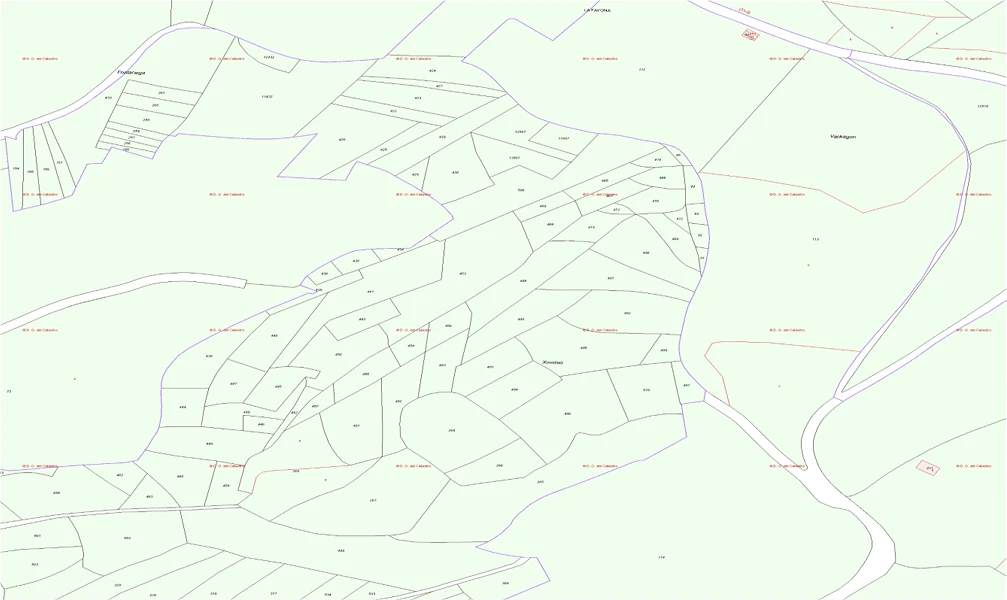
Census
Inventory of facilities and sites containing asbestos within the municipal area.
The inventory and proposed withdrawal schedule must be made public and promote citizen participation.
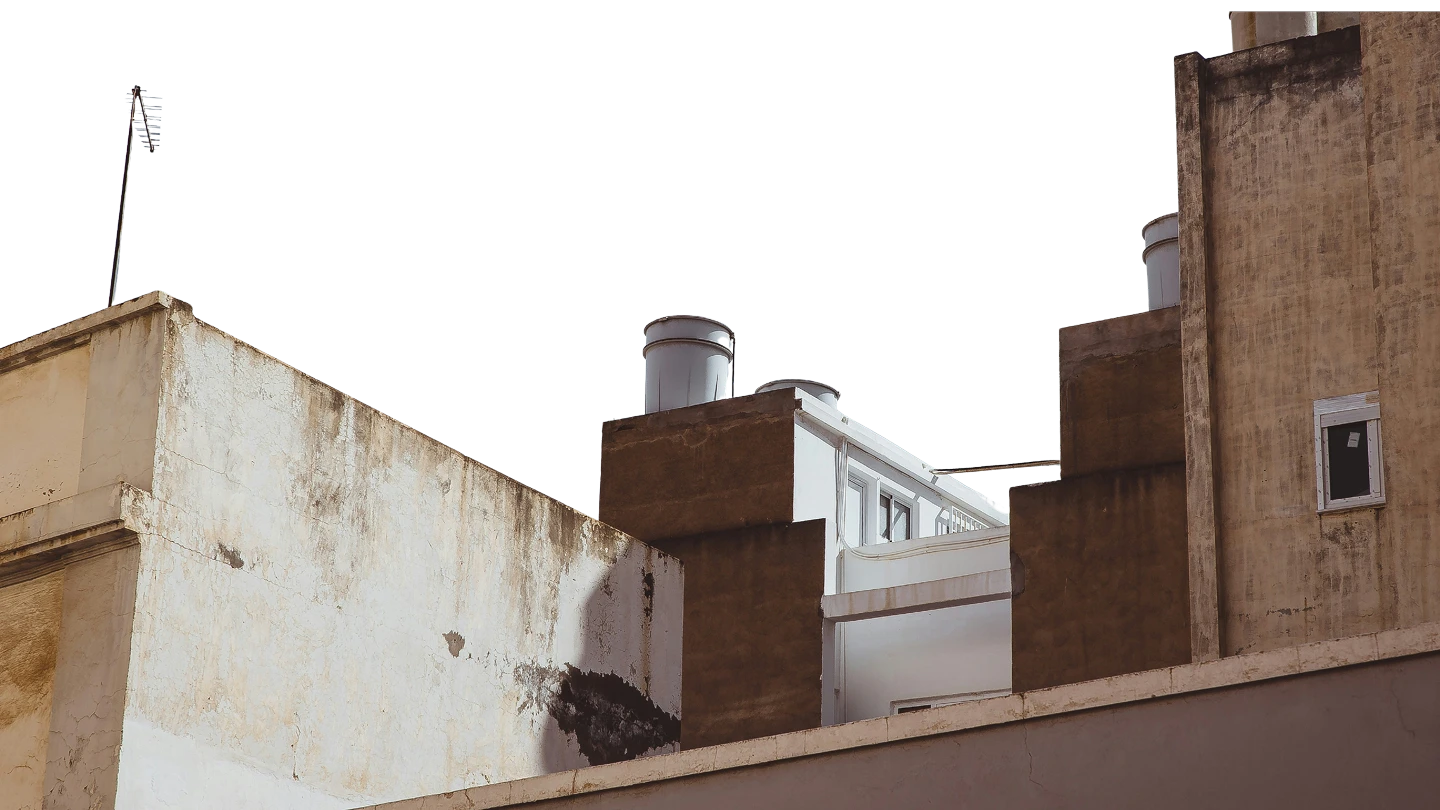
Advertising
Calendar
Proposal for prioritizing the removal of identified ACMs: 2028 as the deadline for public and high-risk facilities and sites; 2032 for the rest of the building stock.
Our solution
Agforest provides support throughout the process, offering a solution adapted to the Guidelines for the removal of installed asbestos, published by the General Directorate of Public Health and Health Equity to comply with Law 07/2022 of April 8.
-
Exploration or screening
We perform a statistical analysis based on parameters such as the date of construction or its use to know its susceptibility to contain asbestos.
-
Basic Inventory
Basic Inventory
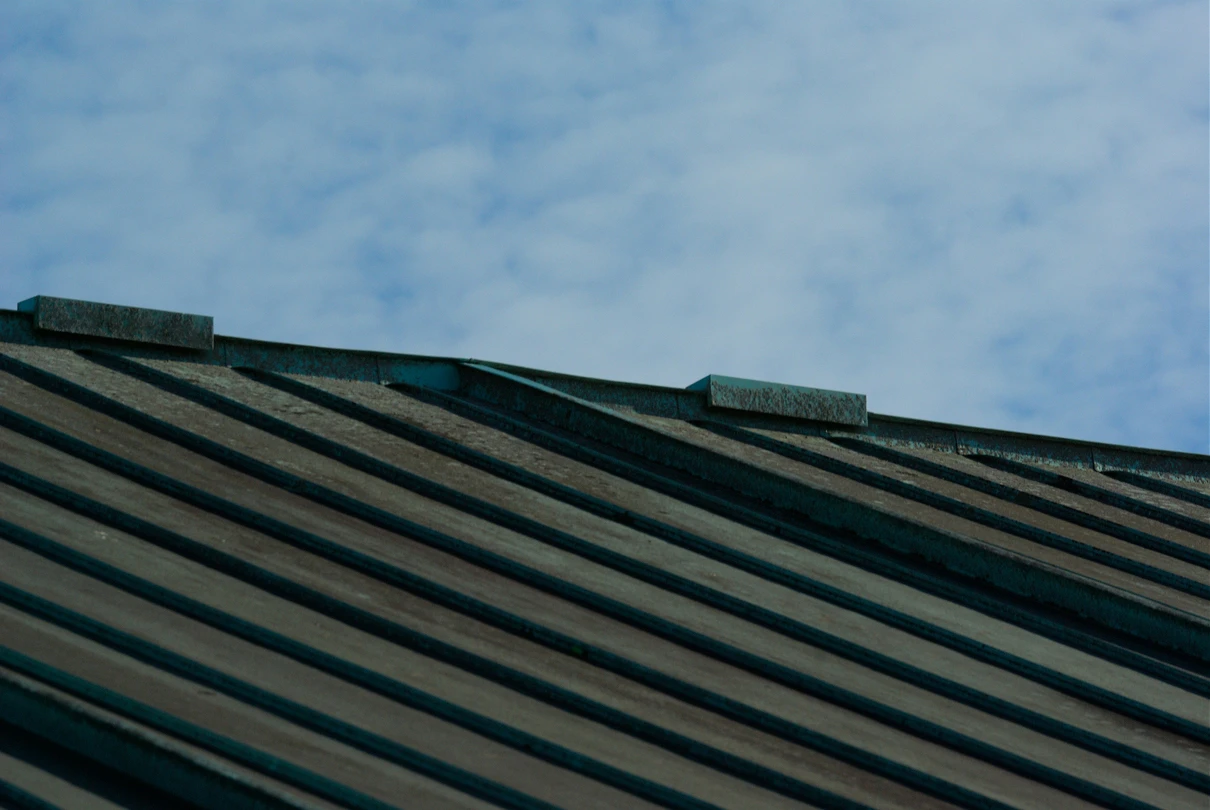
We identify the presence of asbestos (ACM) through the use of state-of-the-art, high-resolution satellite imagery.
-
Calendar
Calendar
We defined the prioritization of ACM removal based on the UNE 171370-2 Standard, paying attention to the ownership of the buildings.
-

Advertising
Advertising
We facilitate citizen participation and publicity of the census through a public web viewer that integrates a notification mailbox to alert of the presence of asbestos.

Selection of satellite images
We study the particularities of the municipality. We feed our technology with satellite images from open missions (Copernicus) or the latest, very high-resolution commercial data.
We make use of the 8 spectral bands provided by satellite data to view materials outside the visible color spectrum, such as asbestos cement with asbestos.
Cadastre Integration
We combined orthorectified satellite images with information from the General Directorate of Cadastre to generate an accurate and georeferenced asbestos census.
We work with your municipality to verify the ownership of the buildings, thus guaranteeing a removal schedule that is faithful to the reality of the municipal area.
Artificial intelligence processing
At Agforest we have the most accurate artificial intelligence (AI) model for the remote detection of asbestos cement with asbestos in Spain: we exceed 90% accuracy.
After processing the satellite data with AI, our technicians, trained under the UNE 171370-2 standard, manually review the results to avoid errors.
Prioritization of withdrawal
We create a removal schedule adjusted to the public or private nature of the facilities and sites. We apply a risk analysis adapted to the UNE 171370-2 Standard to ensure correction.
We process the hydraulic network
Provided the information is digitized, we process the hydraulic network in accordance with the recommendations of the Guidelines for the Removal of Installed Asbestos.
Metrics and statistics
We evaluate the costs of removal in the different years in which it will have to be executed in order to help the City Council's budget planning.
Dynamic web viewer
The results of the asbestos census and calendar will be made public in a geospatial viewer accessible to the public.
Public notification mailbox
We follow the indications of the Guidelines for the removal of installed asbestos. We promote citizen participation through a web-based asbestos alert mailbox.
Technical Report
We provide detailed and sufficient technical information for the justification of the works or possible subsidies for their realization.
We innovate: Geospatial data science
“What you can’t see doesn’t exist.” Even today, many organizations still advocate this sophistical maxim. However, there is no denying that the operating environment has an impact on profitability. At Agforest, we use innovation and cutting-edge technology to analyze ecosystems and identify the risks that organizations around the world face.
01
Modifications
Select any construction element and update the presence of asbestos in elements visible from the outside or inside with just one click.
02
Detailed census
Tool with functionalities for field work. Ensures compliance with the UNE 171370-2 Standard in detailed inspections.
03
Withdrawal
Documentary control is key on the road to asbestos eradication. Keep removal plans or landfill certificates.
Any questions? We have the answers
What is an asbestos census?
The asbestos census is an inventory of facilities and sites containing asbestos fibers. It is a regulatory requirement to delimit the geographical areas most likely to contain asbestos and to identify the construction elements containing this material. This study must be carried out on the entire municipal area, as stated in the Fourteenth Additional Provision of Law 07/2022, of April 8, on waste and contaminated soils for a circular economy.
Why is the asbestos census mandatory?
Asbestos is the name given to a group of six fibrous minerals found naturally in rocks. Due to its high insulation capacity and resistance to fire and corrosion, asbestos was widely used in industry and construction until it was banned in Spain in 2005.
However, the ban did not eliminate the existing risk: many buildings and infrastructures prior to that date still contain asbestos. Over time, this material reaches the end of its useful life (approximately 30 years), which causes it to degrade and release fibers into the air.
What are the health risks of asbestos?
Inhalation of asbestos fibers, either through handling or decay, is directly related to serious diseases such as asbestosis, lung cancer and mesothelioma.
Each year, exposure to this material causes more than 200,000 deaths worldwide. In Europe, 70,000 occupational deaths have been recorded as a result, and asbestos is responsible for 78 % of occupational cancers.
Is the asbestos census mandatory in Spain?
Aware of the health threat posed by asbestos, the authorities have established a clear obligation, which is set out in the Fourteenth additional provision of Law 7/2022, of April 8, on waste and contaminated soils for a circular economy.
In 2024, in the absence of regulatory development, the Directorate General of Public Health and Health Equity published the Guidelines for the removal of installed asbestos. A document that includes good practices and technical recommendations to carry out the asbestos census and schedule correctly.