Forest fire prevention with artificial intelligence
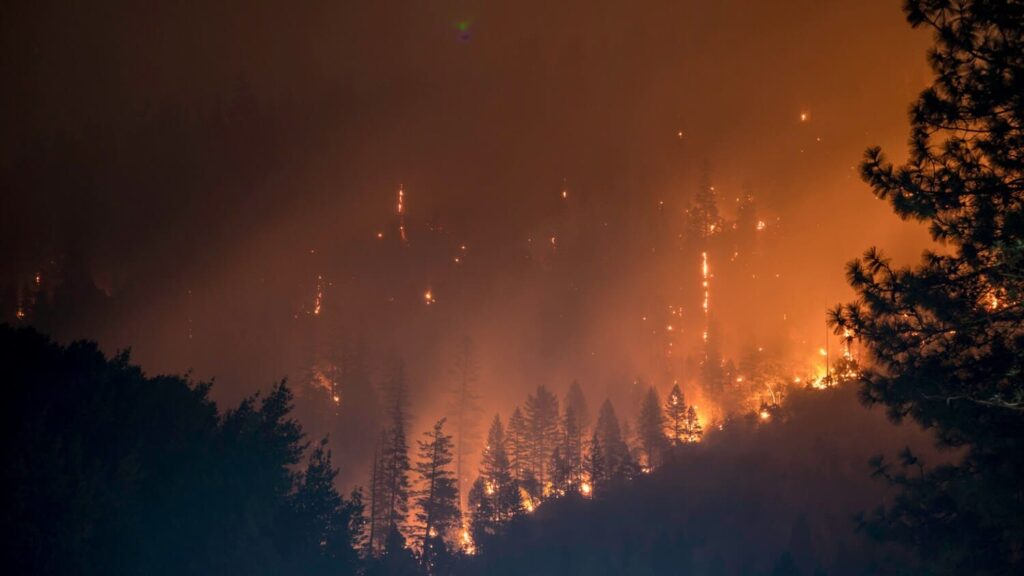
In the current context of drought, it is natural to ask whether we can prevent forest fires. The data are alarming: in 2022, Spain tripled the average number of forest fires in the last two decades, with more than 310,000 hectares burned. Moreover, in the first quarter of 2023, fires had already affected more than 11,000 hectares.
Climate change demands that we adopt new strategies to prevent these catastrophes. The application of predictive models based on artificial intelligence on satellite images is one of the many tools that improve forest fire prevention.
How AI helps us to prevent forest fires
The learning capacity of artificial intelligence (AI), together with the potential of images obtained through geospatial information technology, plays a key role in the prevention of forest fires. This technology makes it possible not only to prevent these catastrophes, but also to help extinguish them through the correct management of available resources.
In the new climatic paradigm, with early and arid summers, these tools can be a great ally for institutions and organizations in charge of managing these risks. In a simple and efficient way, fire prediction models can be a crucial element in dealing with these situations.
Fire prediction models with AI
If we focus on forest fire prediction models through artificial intelligence (AI) in coalition with geospatial information technology, we find three main applications:
- Image-based predictive models: these analyze images provided by satellites or drones to identify patterns and characteristics associated with increased fire risk, such as the presence of dry vegetation or human activity.
- Predictive models based on historical data: Artificial intelligence (AI) can perform a study that combines historical data on past fires, along with information on climate or vegetation to identify areas with the highest fire risk.
- Predictive simulation models: these models simulate how a fire would spread in different climatic and topographic conditions, allowing fire prevention and suppression teams to plan the most effective strategies.
Geospatial information: ally in early extinction
Fire prediction models based on artificial intelligence (AI) can be very useful. However, fires can break out unexpectedly due to causes such as human activities, lightning or extreme weather conditions. When this happens, geographic information systems (GIS), such as remote sensing and satellite imagery, can be instrumental.
Sometimes, the severity of fires is the consequence of the need to invest a lot of time in evaluating the best strategy to extinguish the fire. In these situations, technology makes it possible to reduce response time. In addition to identifying the best areas to access the source of the fire, protecting human teams. In short, geospatial technology not only improves forest fire prevention, but also protects people and ecosystems.
In Agforest we work with the latest technology in Artificial Intelligence for forest fire prevention. If you want to know more, do not hesitate to contact us.