
GovTec
Public administration
We quantify and analyze urban capital to build resilient and livable cities
The situation in cities
The average temperature in cities has risen between 4°C and 10°C over the last 40 years.
Six out of ten people worldwide breathe air with high levels of pollution.
Annual deaths caused by increased pollution in cities.
One in five citizens suffer from mental disorders influenced by biodiversity loss.
Loss of resilience and economic competitiveness
The impact of climate change on the economy is clear. It is estimated that failure to meet the Paris Agreement targets could cause a 10% loss in the value of the global economy.
Agforest’s vision
The economy has changed. We assign value based on interactions with nature, people, and society. Are you a company or organization? Take note.
One city, multiple capitals
Cities are not just a collection of streets, buildings, green spaces, and services. Committed to a new management model, at Agforest we work to identify, analyze, and monitor the multiple forms of capital that make up cities.
-
Natural capital
Natural capital
It is the set of resources and ecosystems—such as soil, water, vegetation, and biodiversity—that sustain urban life and provide essential services: they purify the air, regulate the climate, and increase well-being.
-

Social
Social
This refers to networks of trust, collaboration, and cohesion between citizens, institutions, and communities. A key asset for building safer, more equitable, and more participatory cities.
-
Human
Human
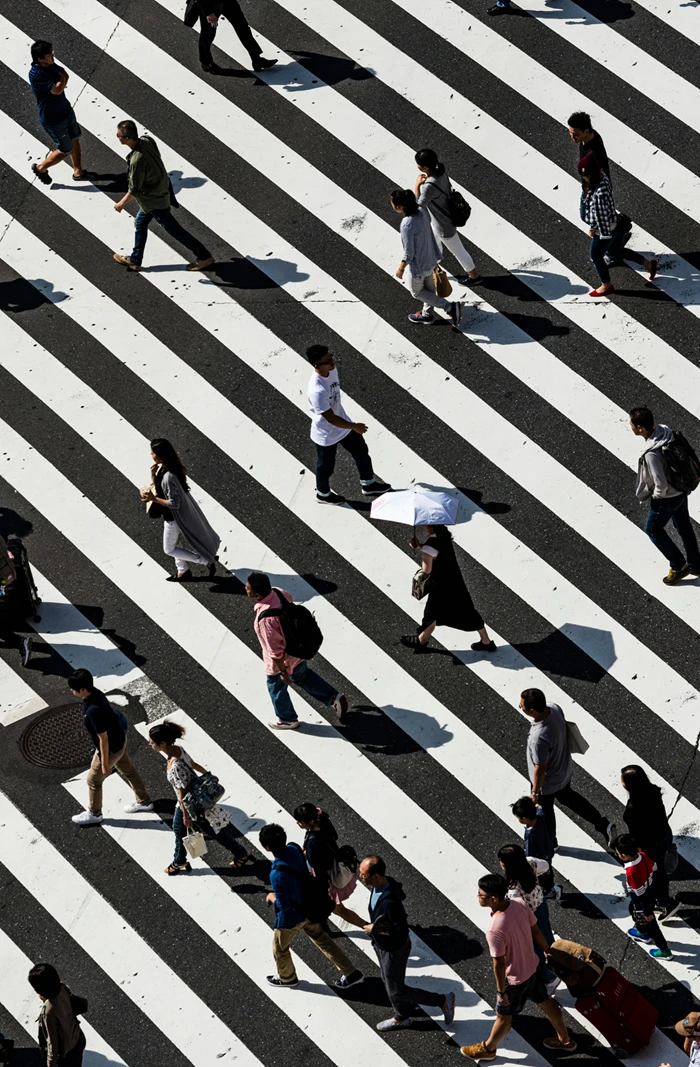
It includes the capabilities, skills, health, and knowledge of the people who live and work in the city. It is the foundation of urban development, innovation, and resilience.
-

Manufactured
Manufactured
It encompasses the physical and technological infrastructure built by humans: buildings, roads, energy networks, transportation, and communication systems that sustain daily urban life.
-

Economical
Economical
It is the combination of financial resources, investment, productivity, and economic capacity that drives urban activity. It enables the financing of sustainable services, infrastructure, and projects.
-

Climate
Climate
Represents the city's ability to adapt to and mitigate the effects of climate change. It includes its ecological footprint, emissions, and green infrastructure to address climate risks.
Economic growth and well-being
Urban capital is the backbone of how cities function. Investing in it improves competitiveness, reduces operating costs, and increases livability.
Boosting resilience
Incorporating urban capital metrics into decision-making allows us to anticipate vulnerabilities and plan solutions to mitigate climate change
Generate economic value
Managing urban capital involves quantifying the economic value of the positive and negative impacts generated by the city's assets. The market does not usually take these into account.
Regulatory compliance
Companies and public administrations must comply with regulatory requirements that demand scientifically rigorous data to justify their actions.
Promote efficient policies
An integrated vision (natural, social, human, manufactured) enables urban decisions that maximize benefits without impacting competitiveness.
Why manage urban capital?
Like any other asset, multiple capitals increase in value with proper management.
Climate Change Adaptation Plan
Define realistic indicators and constantly monitor the degree of compliance with the objectives.
Species selection
Automate, through AI, the selection of optimal species to improve the livability of the city.
General Urban Development Plan
Putting urban capital at the center. A biodiversity strategy that can be integrated into the PGOU to improve resilience
Climate Change Adaptation Plan
Define realistic indicators and constantly monitor the degree of compliance with the objectives.
Species selection
Automate, through AI, the selection of optimal species to improve the livability of the city.
General Urban Development Plan
Putting urban capital at the center. A biodiversity strategy that can be integrated into the PGOU to improve resilience
Non-financial information
Scientifically rigorous data, obtained in real time, to measure double materiality and reporting aligned with CSRD.
Physical risk assessment
Assess the vulnerability of operations centers to extreme weather events in order to increase resilience.
ESG strategies
Analyze the ideal geographic areas to promote corporate social responsibility actions with real impact.
Non-financial information
Scientifically rigorous data, obtained in real time, to measure double materiality and reporting aligned with CSRD.
Physical risk assessment
Assess the vulnerability of operations centers to extreme weather events in order to increase resilience.
ESG strategies
Analyze the ideal geographic areas to promote corporate social responsibility actions with real impact.
Open missions and commercial images
Cities are not just a collection of streets, buildings, green spaces, and services. Committed to a new management model, at Agforest we work to identify, analyze, and monitor the multiple forms of capital that make up cities.
Analysis through artificial intelligence
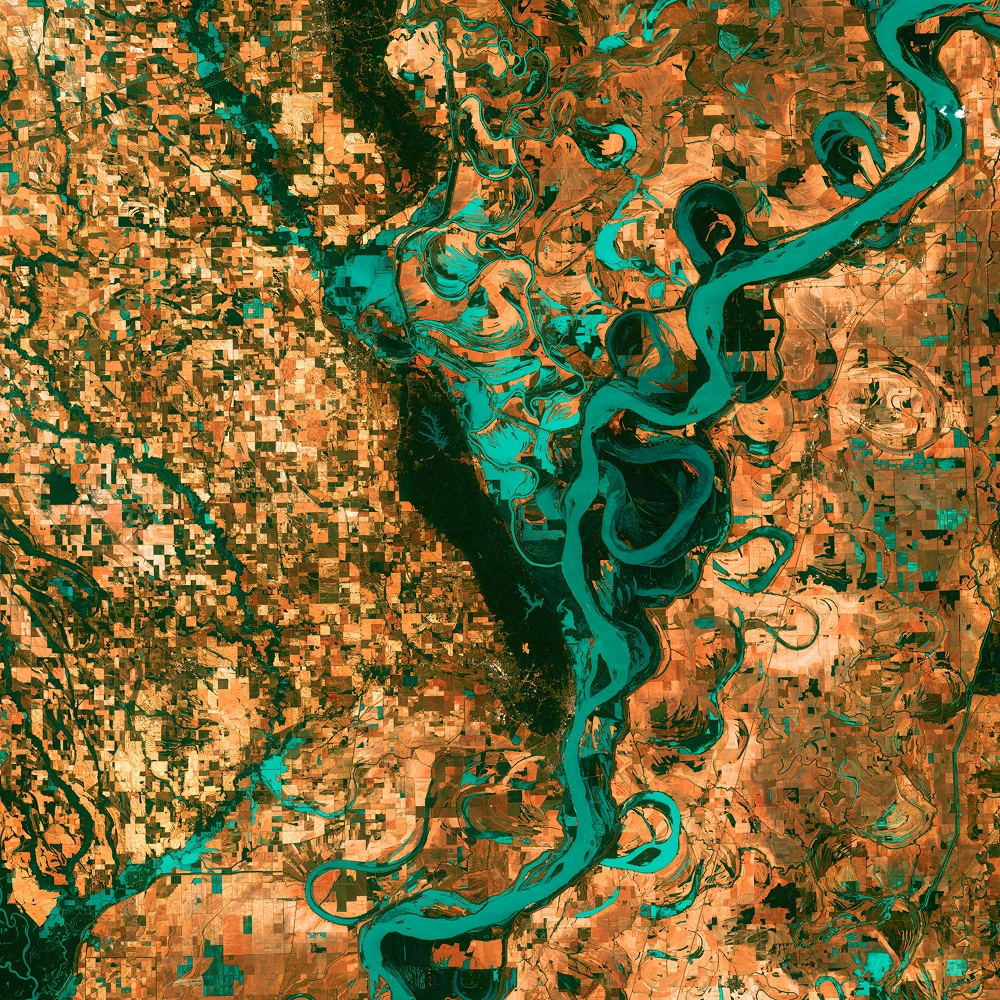
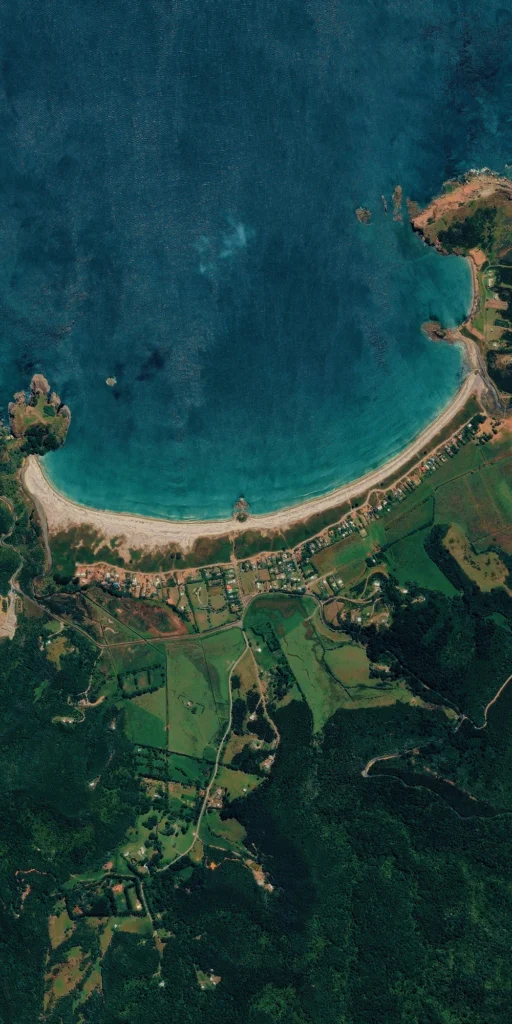
We process data collected from satellite images and other geospatial information sources. We apply artificial intelligence to analyze all variables of the territory.
The application of cutting-edge technology provides us with information for developing predictive models to mitigate imbalances in the territory and provide measures that increase resilience.
Analytical tools
Agforest seeks to empower its customers to make improving livability a collaborative effort. We develop our own software for processing information.
This system includes proprietary tools for data correlation and insight extraction. Proprietary technology that allows for maximum customization.
Interactive geospatial visualization
Everything that happens, happens somewhere. We are usually skeptical: if we don’t see it, we don’t believe it. We integrate Agforest’s developments into a platform designed by our team specifically for the geographical representation of data.
What does all this mean?
Use cases with real application of Urban Capital
Challenge
A cement production company needs to assess the vulnerability of its plants to surface runoff and flooding.
Analysis
We apply predictive models based on artificial intelligence (AI) to identify exposed facilities. We integrate climate and natural capital indicators to anticipate impacts in 10, 20, and 30 years.
How is it managed from urban capital?
We define measures to mitigate risks (water absorption with vegetation, sustainable drainage systems, green infrastructure). We quantify negative externalities for potential damage and positive externalities for mitigation to estimate economic value.
Challenge
The city of Madrid has limited resources for the maintenance and cleaning of the Prado Museum.
Analysis
We evaluate the geographical characteristics of the location and characterize the population that interacts with the infrastructure. We assess the landscape value of the building and the ecosystem services of its natural environment.
How is it managed from urban capital?
We quantify the economic impact on the visual appearance and habitability of the Prado Museum complex, integrating natural, social, economic, and intangible capital. We seek investment from private actors so that it can be reinvested in maintenance and improvement.
Challenge
A city council needs to design a PGOU (General Urban Development Plan) that integrates sustainability and climate resilience.
Analysis
We analyze the current distribution of natural, social, and manufactured capital using satellite images, cadastral data, and socioeconomic variables. We identify critical areas due to impermeability and a lack of green spaces.
¿Cómo se gestiona desde el capital urbano?
We prioritize areas for green infrastructure and ecological corridors. We calculate economic benefits: improvement in habitability, reduction in flood risk and increase in value
real estate.
Any questions? We have the answers
What is meant by "urban capital"?
Everything that happens, happens somewhere. We are usually skeptical: if we don’t see it, we don’t believe it. We integrate Agforest’s developments into a platform designed by our team specifically for the geographical representation of data.
Why talk about "capital" and not resources?
Everything that happens, happens somewhere. We are usually skeptical: if we don’t see it, we don’t believe it. We integrate Agforest’s developments into a platform designed by our team specifically for the geographical representation of data.
What does this vision bring to organizations?
Everything that happens, happens somewhere. We are usually skeptical: if we don’t see it, we don’t believe it. We integrate Agforest’s developments into a platform designed by our team specifically for the geographical representation of data.
How is the technology applied?
Everything that happens, happens somewhere. We are usually skeptical: if we don’t see it, we don’t believe it. We integrate Agforest’s developments into a platform designed by our team specifically for the geographical representation of data.
Can urban capital only be analyzed in large cities?
Everything that happens, happens somewhere. We are usually skeptical: if we don’t see it, we don’t believe it. We integrate Agforest’s developments into a platform designed by our team specifically for the geographical representation of data.