Water leaks: an invisible problem with a big impact
In Spain, water consumption exceeds 3,000 cubic hectometers per year, distributed among households, economic sectors, municipal and other uses. This water circulates through a network of more than 437,000 km of pipes, with an average age of 25.5 years. The lack of maintenance and obsolescence of these infrastructures means that around one third of drinking water is lost before it reaches its destination.
What are water leaks and how do they occur?
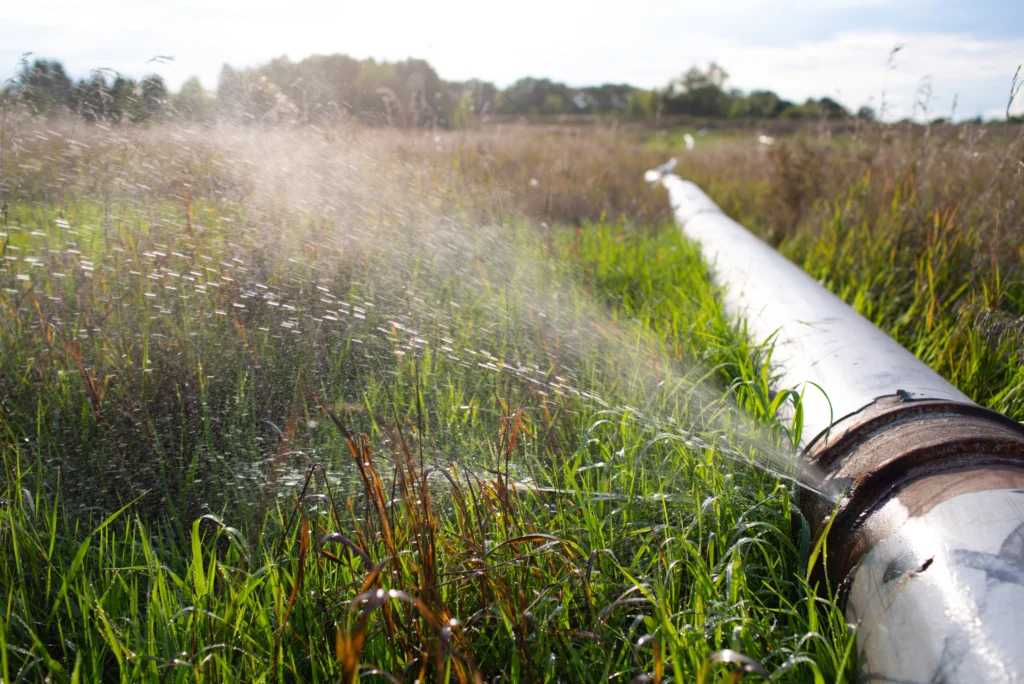
Water leaks are unintentional leaks within the supply network. They are considered part of the Non-Registered Water (NRW), i.e., the volume supplied that is not accounted for in the users’ meters. In Spain, the average percentage of ANR is 23.5% (AEAS-AGA), a figure that has remained stable for almost a decade.
Among the most common causes are:
- Corrosion and weakening of materials due to age.
- Abrupt pressure changes in the network.
- Leaks in joints and elements such as valves.
- Porous leaks, almost invisible to the naked eye.
Economic and environmental consequences
Water leaks have a direct impact on the economy and the environment:
- In cities such as Malaga, the cost associated with leaks and fraud amounts to 3.5 million euros per year.
- At the national level, about 700 Hm3 are lost annually.
- Overexploitation of reservoirs and aquifers accelerates the deterioration of ecosystems.
- The process of extracting, treating and transporting water involves energy consumption and CO2 emissions, aggravating the environmental impact.
Prevention and detection of water leaks with satellite technology
Improving water efficiency requires a technological approach. At Agforest, we use geospatial data and artificial intelligence models to accurately detect leaks:
- We analyze changes in vegetation and soil moisture using multispectral satellites.
- We combine this information with water network mapping and historical failure data.
- Our models predict areas of risk, allowing preventive, not reactive, interventions.
Benefits of anticipating leakage
- Reduction of water losses.
- Savings in maintenance and repair costs.
- Improved sustainability and compliance with environmental regulations.
- Strengthening urban resilience to climate change.
Territorial intelligence as an ally in water management
At Agforest, we apply R&D&I at the service of sustainability. Our solutions combine:
- Satellite data.
- Predictive models.
- Geospatial data science.
All this to improve the efficiency of urban networks, reduce water waste and support the transition to more resilient and sustainable cities.
Schedule a technical session with our team today.