
Green Infrastructure
Cities are in constant transformation. There are more and more people, more traffic, more buildings… and less and less natural spaces. The result: rising temperatures, rising pollution and a lower quality of life. But there are solutions. Green infrastructure is not just a question of aesthetics; it is a strategy that helps manage these urban problems efficiently and sustainably.
And here is a fact that leaves no room for doubt: for every euro invested in green infrastructure, the return can be up to four times greater in economic benefits, from energy savings to improvements in public health. How is this achieved? By implementing solutions such as green roofs, green corridors and sustainable drainage systems that turn the urban environment into an ally of the environment and not its enemy.
In this article, we explore how green infrastructure is changing the landscape of our cities and how companies like AGForest are leading this change with innovative technology and data-driven solutions.
What is green infrastructure?
When it comes to green infrastructure, it’s not just about filling cities with parks and gardens. The key is to strategically integrate nature into the urban environment to improve its sustainability and resilience.
Vegetated roofs, green corridors, artificial wetlands and permeable pavements are not just decorative elements. They serve critical functions such as absorbing rainwater, capturing CO₂ and reducing the heat island effect. In other words, they help cities breathe better and function more efficiently.
What are your objectives?
The goal of green infrastructure is clear: to create cities that are more livable, efficient and in harmony with the environment. To achieve this, it focuses on several key points:
- Less pollution, more oxygen. Green areas act as natural filters that improve air quality.
- Less hot cities. Asphalt and concrete absorb and retain heat, raising the temperature in urban environments. Vegetation counteracts this effect and keeps the climate more pleasant.
- Efficient water management. Rather than relying solely on sewerage, sustainable drainage systems such as rain gardens and permeable soils allow water to percolate naturally.
- Ecological connectivity. It’s not just about planting trees. Connecting parks and green spaces through ecological corridors allows biodiversity to thrive even in urban environments. In fact, MITECO has noted that integrating urban green spaces with protected areas greatly enhances local biodiversity.
- Climate resilience. Cities with more green infrastructure are better prepared to cope with extreme events such as heat waves or floods.
- Positive economic impact. It’s not just an environmental investment; it’s a smart investment. As we have already mentioned, every euro spent on green infrastructure can generate up to four euros in profits.
What a green infrastructure must have
For green infrastructure to work, it is not enough to plant trees at random. It requires well-designed solutions adapted to the needs of each environment.
Carbon Sinks
CO2 is a major contributor to global warming, and reducing its presence in the air is critical. Some effective solutions include:
- Urban and peri-urban forests. Not only do they provide shade and reduce pollution, but they also capture large amounts of CO2.
- Urban wetlands. They act as natural filters and help capture carbon in their soils.
- Green roofs and facades. In addition to beautifying the city, they regulate temperature and reduce energy consumption. In Copenhagen, for example, all new buildings are required to include green roofs to mitigate the heat island effect.
Ecological corridors
These connections between different green areas not only beautify the environment, but also facilitate the movement of species and contribute to biodiversity. A successful example is the Madrid Río Project, which has transformed the banks of the Manzanares into a key ecological corridor for biodiversity and the enjoyment of citizens.
Sustainable drainage systems
Cities often have problems with rainwater, since the asphalt ground does not absorb it. To solve this, strategies can be implemented such as:
- Rain gardens and permeable pavements. They allow water infiltration and reduce the risk of flooding.
- Sponge city” strategy in Paris. A system designed to improve water absorption and prevent waterlogging and flooding.
Integration of clean technologies
Green infrastructure need not be limited to nature. It can be combined with technology to maximize its impact. Solar energy, rainwater harvesting systems and sustainable building materials are some of the solutions that can enhance its benefits.
AGForest for green infrastructure
The challenge is not only to design more sustainable cities, but to do so with data and technology to maximize their impact. In this sense, AGForest provides innovative solutions to help companies and administrations to integrate green infrastructure efficiently.
Ag4City
- Carbon sink analysis. Identifies the best areas for CO₂ capture.
- Air quality monitoring. Facilitates decision making to reduce pollution.
- Intelligent urban planning. Optimizes the design of greener and more functional cities.
Ag4Asbestos
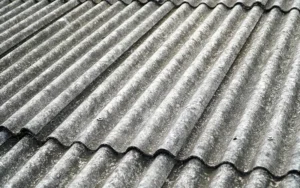
- Safe management of asbestos. It allows the detection and removal of this hazardous material in urban infrastructures.
Ag4WaterLeaks
- Water leak detection. Reduces waste and improves water management efficiency.